Hard drive clicking noise is never something to take lightly. It’s usually the first sign of an external hard drive failure, often caused by physical or mechanical problems inside the drive. But here’s the comforting truth: in most cases, your data can still be saved with timely action and the right help. Professional External Hard Drive Data Recovery services, like those offered by Techchef Data Recovery, have helped thousands of people recover their lost files and breathe again with relief.
In this article, we’ll help you understand exactly what that clicking sound means, what causes it, what to do (and what not to do) when it happens, and how you can protect your valuable data before it’s too late.
What Does the Clicking Sound Really Mean?
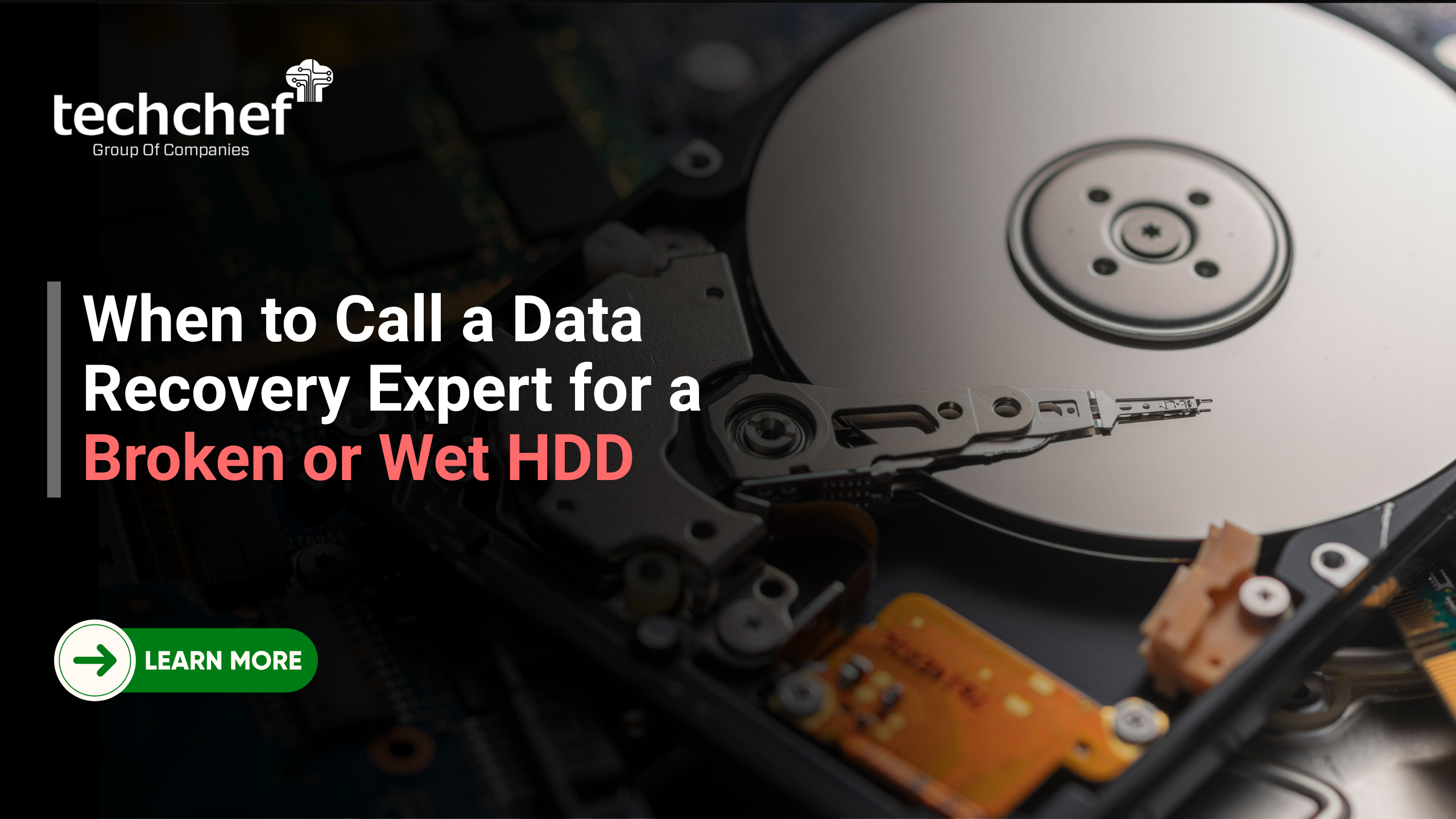
To understand the clicking sound, let’s first know how your hard drive works. Inside that small casing lies a delicate mechanical system, magnetic platters that store data, a spindle that spins them, and a read/write head that moves back and forth to access your files.
When you hear a hard drive clicking noise, it usually means that the read/write head is unable to locate or communicate with the platters correctly. The repeated “click” is the drive’s internal arm trying and failing to position itself properly. This happens when there’s a physical or mechanical issue inside the drive.
The scary part is that this clicking often happens just before complete external hard drive failure. Ignoring it can lead to permanent data loss if the heads crash onto the platter surface, damaging it beyond repair. So, if you ever hear this sound, stop using the drive immediately. Each click could be destroying more data inside.
Common Causes of Hard Drive Clicking Noise
Understanding what causes that unsettling clicking sound can make all the difference between saving your data and losing it forever. Let’s look at some of the most common reasons why this happens and what you can do to prevent it in the future.
1. Power Supply Fluctuations
External hard drives depend heavily on a steady flow of power. A sudden voltage drop, loose USB cable, or power surge can interrupt the drive’s spinning motion, causing the read/write head to misalign, leading to that sharp clicking sound. Many users in India face this problem due to unstable home electricity or old extension boards. It’s always wise to connect your drive using a good-quality surge protector and avoid using weak or damaged USB ports. A stable power supply keeps your External Hard Drive Data Recovery chances higher if things ever go wrong.
2. Physical Shock or Accidental Drops
Even a light bump or fall from your desk can create internal damage. The delicate read/write head may touch the spinning platter, leading to scratches or misalignment. Once this happens, you might start hearing a repetitive clicking as the drive struggles to read data. Always handle your drive with care, avoid placing it on the edge of the table or moving it while it’s in use. Most external hard drive failures begin with small physical shocks that seem harmless at first but lead to major data loss later.
3. Overheating
If you’ve ever noticed your external hard drive getting unusually warm, that’s a sign it’s overworked. Long hours of operation, poor ventilation, or keeping it under piles of files or near heat sources can make it overheat. Heat weakens the bearings and motor inside, causing friction that results in the dreaded clicking sound. Allow your drive to rest after long use, and always place it on a cool, flat surface. Preventing heat damage can significantly reduce the risk of hard drive clicking noise and extend your drive’s lifespan.
4. Bad Sectors or Corrupted Firmware
Sometimes, the clicking isn’t caused by hardware at all but by data corruption. When your drive has too many bad sectors or the internal firmware gets corrupted, it keeps trying to read unreadable areas. This continuous effort produces rhythmic clicking. It’s like the drive is calling for help, trying to find something it can no longer access. Avoid switching the drive on repeatedly when this happens, it can worsen the damage. Instead, seek professional help to recover data from a damaged hard drive safely without overwriting existing information.
5. Aging or Wear and Tear
Every hard drive has a natural lifespan, typically between 3 to 5 years, depending on usage. Over time, internal parts such as the motor, actuator arm, or spindle begin to wear out. When they do, they may start producing faint clicking or grinding sounds. If your external hard drive has served you for several years, consider this sound a polite warning. It’s time to back up your data before complete failure occurs. Regular maintenance and health checks can prevent total data loss and make External Hard Drive Data Recovery easier if needed.
6. Dust or Moisture Exposure
In Indian homes and offices, dust and humidity are common problems. Unfortunately, your hard drive is highly sensitive to both. Even minor exposure to moisture can cause corrosion, and dust particles can block the movement of the read/write heads. Once the heads get stuck, the drive starts clicking or fails to read data altogether. Always keep your drive in a clean, dry place and avoid leaving it uncovered. A simple precaution like using a small protective pouch or silica gel packet can go a long way in preventing external hard drive failure.
Each of these causes can affect your drive differently. Some are repairable, while others require cleanroom recovery methods. Trying to fix it at home using random online tricks can worsen the damage, making External Hard Drive Data Recovery much more complicated. When you notice a clicking sound, stop using the drive immediately and contact professionals like Techchef Data Recovery to ensure your precious files remain safe and recoverable.
💡 Did You Know?
Most clicking drives can still be saved if you stop using them immediately and get help from Techchef Data Recovery. Acting early can make all the difference between saving and losing your data.
Warning Signs Before Complete External Hard Drive Failure
Before your external drive completely dies, it usually shows small warning signs. If you pay attention early enough, you can save most, if not all, of your data. Here’s what to look out for:
1. Frequent disconnections even when the cable is fine.
2. Slow file transfers or lag when opening folders.
3.“Drive not detected” messages appearing randomly.
4. Clicking or grinding sounds from the drive casing.
5. Corrupted or missing files, especially large ones.
6. Overheating when the drive is in use for a short time.
If you notice any of these, stop using the device immediately and consult Techchef Data Recovery or another trusted expert before the damage becomes irreversible.
What to Do Immediately If You Hear Clicking Sounds
When your external hard drive starts making those clicking noises, don’t panic or rush to plug it in repeatedly. Each attempt can worsen the damage inside. Instead, stay calm and follow these simple but important steps. Acting early can make all the difference in saving your data.
A. Stop Using the Drive Immediately
The first and most important thing to do is to disconnect your drive safely and avoid powering it on again. Every time the drive spins, the damaged read/write heads may scratch the platters, causing permanent data loss. Turning it off right away gives you the best chance of a successful External Hard Drive Data Recovery later. If you notice even a single click or pause while using it, take it seriously, stop all activity, and unplug it gently.
B. Do Not Hit or Shake It
Many people try tapping or lightly shaking the drive, thinking it might “start working again.” Sadly, this is one of the biggest mistakes. A hard drive is not like an old TV set that fixes with a knock; it’s a sensitive mechanical device. Hitting or dropping it even slightly can make the internal damage worse. Always handle it carefully, just as you would a delicate glass item. Remember, physical shocks are a common cause of external hard drive failure.
C. Avoid Free Software Recovery Tools
There are plenty of free recovery tools online that promise to recover data from damaged hard drives, but most of them only work for mild software issues. If your drive is making clicking sounds, that means there’s physical or mechanical trouble inside. Using these tools may overwrite your existing data or make it unreadable. Avoid experimenting, your files are too precious for trial and error. Instead, choose professional help when you suspect mechanical problems.
D. Store the Drive in a Safe and Cool Place
If you cannot take it for repair immediately, keep the drive in a safe spot. Place it on a flat surface away from heat, sunlight, or moisture. Avoid plastic covers that trap humidity; instead, use an anti-static bag or soft cloth pouch. This prevents further physical or environmental damage while you arrange a professional inspection. Keeping the drive undisturbed helps increase the chances of successful External Hard Drive Data Recovery later on.
E. Contact a Professional Immediately
If your data includes office projects, personal memories, or important documents, do not delay. The safest step is to contact a reliable recovery expert like Techchef Data Recovery. Their trained engineers use advanced cleanroom facilities to safely repair drives and recover data without further harm. Whether it’s a clicking sound, non-detection issue, or mechanical fault, professionals have the right tools and experience to bring your files back securely.
Remember, the earlier you seek help, the better the chances of saving your files. Every minute counts when it comes to a hard drive clicking noise.
💡 Did You Know?
Most clicking drives can still be recovered if you stop using them immediately. Early action and expert help from Techchef Data Recovery can save up to 90% of your lost files.
Professional External Hard Drive Data Recovery Process
Let’s see what happens when you send your drive to experts like Techchef Data Recovery. They follow a systematic, safe, and precise process to ensure maximum data recovery success.
Step 1: Diagnosis and Assessment
The team first inspects the drive in a cleanroom lab. They check for physical, logical, or firmware issues to decide the best recovery method.
Step 2: Imaging the Drive
Instead of working directly on your damaged drive, professionals create a clone or image of it. This ensures that no additional harm occurs during the recovery process.
Step 3: Data Extraction
Specialized hardware tools are used to access the damaged platters and extract data safely. For drives with mechanical failure, replacement parts might be used temporarily.
Step 4: Data Verification
Recovered data is verified for completeness and integrity. The experts ensure that your files are readable and properly restored.
Step 5: Secure Delivery
Once the data is recovered, it is securely transferred to a new drive or external storage device and returned to you.
At every stage, the goal is to protect your privacy, safety, and peace of mind. With Techchef Data Recovery, you get both professionalism and care.
Real-Life Story: How Techchef Saved Riya’s Precious Memories
Riya Sharma, a freelance photographer from Mumbai, relied heavily on her external hard drive to store her client photos and personal travel albums. One evening, while transferring files, she heard a sudden hard drive clicking noise. Within minutes, her drive stopped responding. Years of work, client shoots, and irreplaceable travel pictures seemed lost forever.
A friend suggested Techchef Data Recovery, and Riya reached out immediately. The engineers diagnosed her drive with a severe external hard drive failure caused by head misalignment. The drive was carefully handled in a cleanroom, and within a few days, Techchef successfully recovered 98% of her data.
When Riya got her files back, she was overjoyed. “It felt like I got a part of my life back,” she said. Her story is a reminder that expert help can make all the difference between despair and relief.
How to Prevent External Hard Drive Failure
Prevention is always better than recovery. A few simple habits can help you protect your drive and keep your data safe for years.
1. Handle with care: Avoid sudden drops or jerks while the drive is connected. Always place it on a flat, stable surface when using it.
2. Keep it cool and dry: Store your drive in a clean, well-ventilated area. Avoid keeping it near heat sources or damp surfaces.
3. Use surge protectors: Power fluctuations are very common in India and can damage your external hard drive. A good surge protector can help maintain a steady power flow.
4. Disconnect safely: Always eject the drive properly from your computer before unplugging it. This prevents sudden data corruption or internal errors.
5. Avoid overloading: Try to leave some free space on your drive. Overfilled drives often work slower and are more prone to errors.
6.Take regular backups: Keep copies of your important files on another drive or cloud storage. Backups are the simplest and most effective way to prevent data loss.
7. Monitor drive health: Use reliable tools like CrystalDiskInfo to check the drive’s condition once in a while. Early detection of errors can save you from sudden failure.
By following these small steps, you can extend your drive’s life, avoid unnecessary trouble, and keep your data safe from unexpected external hard drive failure.
💡 Did You Know?
Almost 60% of data loss cases in India happen because people forget to back up their files regularly. A simple weekly backup can save you from the stress of losing precious memories and important work.
Conclusion
Your external hard drive is not just a piece of technology; it is a small box filled with your life’s memories, hard work, and personal achievements. When you suddenly hear a hard drive clicking noise, it can feel scary and uncertain. But remember, this sound is not the end of your data. It is only a warning sign that your drive needs immediate care and attention. Acting quickly, handling the drive carefully, and avoiding risky experiments can make a big difference in saving your files.
At Techchef Data Recovery, every damaged drive is handled with care and dedication. Whether you need to recover data from a damaged hard drive or bring back files from an external hard drive failure, their experienced engineers use advanced tools and cleanroom technology to retrieve your precious data safely.
So, do not wait until it is too late. If your external hard drive is making strange clicking sounds or has stopped working, contact the experts at Techchef Data Recovery today. Call 1800-313-1737 or visit www.techchef.in for a free consultation. Your memories and important files are priceless, and Techchef is here to help you get them back safely.
Frequently Asked Questions
Q1. Why is my external hard drive making a clicking noise?
It’s usually due to a mechanical issue inside the drive, such as damaged read/write heads or a failed spindle motor.
Q2. Can I fix a clicking hard drive at home?
No. Opening or shaking the drive can destroy it further. Always take it to professionals like Techchef Data Recovery.
Q3. Can I recover data from a clicking or damaged hard drive?
Yes, but only with professional External Hard Drive Data Recovery. Experts use cleanroom tools to extract data safely.
Q4. How much does recovery cost?
It depends on the extent of the damage. A proper diagnosis from Techchef Data Recovery can provide an accurate estimate.
Q5. How long does it take?
Most recoveries take a few days to a week, depending on the drive’s condition and data volume.