Search Result... RAID Data Recovery
Can you Recover Data from a failed RAID 5?
RAID 5 is built with extra protection, it offers a balance between data security and performance and it distributes data in multiple disks. It resists the failure of a single disk without losing your precious data.
Posted on May 3, 2024


What happens if RAID fails?
When our RAID (Redundant Array of Independent Disks) configuration fails, it means that one or more of the disks in the array have failed, and the redundancy mechanisms built into the RAID setup cannot overcome the failure.
Posted on December 26, 2023
What are the Common Causes of RAID Failure?
While RAID technology provides substantial benefits, it's essential to understand it and minimize the common causes of failure. By following regular monitoring, maintenance, and data backups, we can save our data from RAID failure.
Posted on October 27, 2023
RAID 0 Data Recovery from NAS Based Storage
Our engineers successfully recovered the vast majority of the client’s data. Only a handful of the sectors on the failed drive had gone bad. The bad sectors scattered throughout the array hadn’t impacted any important files. Nearly all of the…
Posted on July 21, 2022
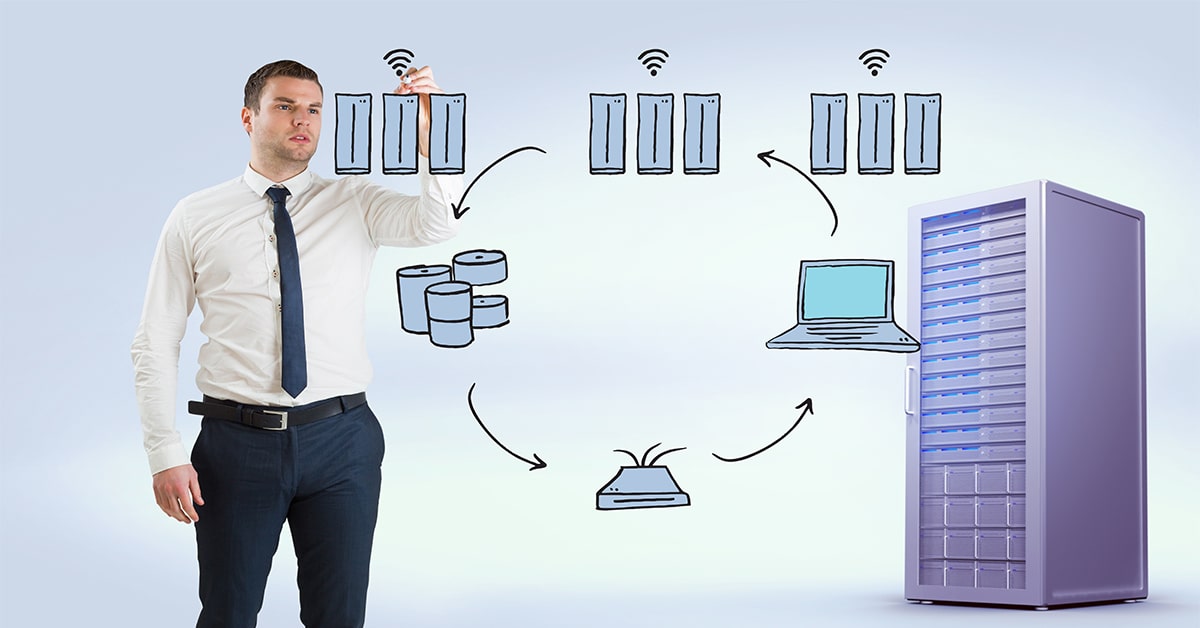
What are the ways to Recover Data from RAID Based NAS
If you are not aware of the RAID based NAS data protection, then surely this article is for you. Everything you ever need to know about the protection of RAID based NAS data will be discussed by us.
Posted on April 6, 2022

6 Important Things you need to Learn for Effective Raid Data Recovery
Raid systems with multiple configurations are widely used for redundancy, optimization and faster performance for data storage.
Posted on October 11, 2021
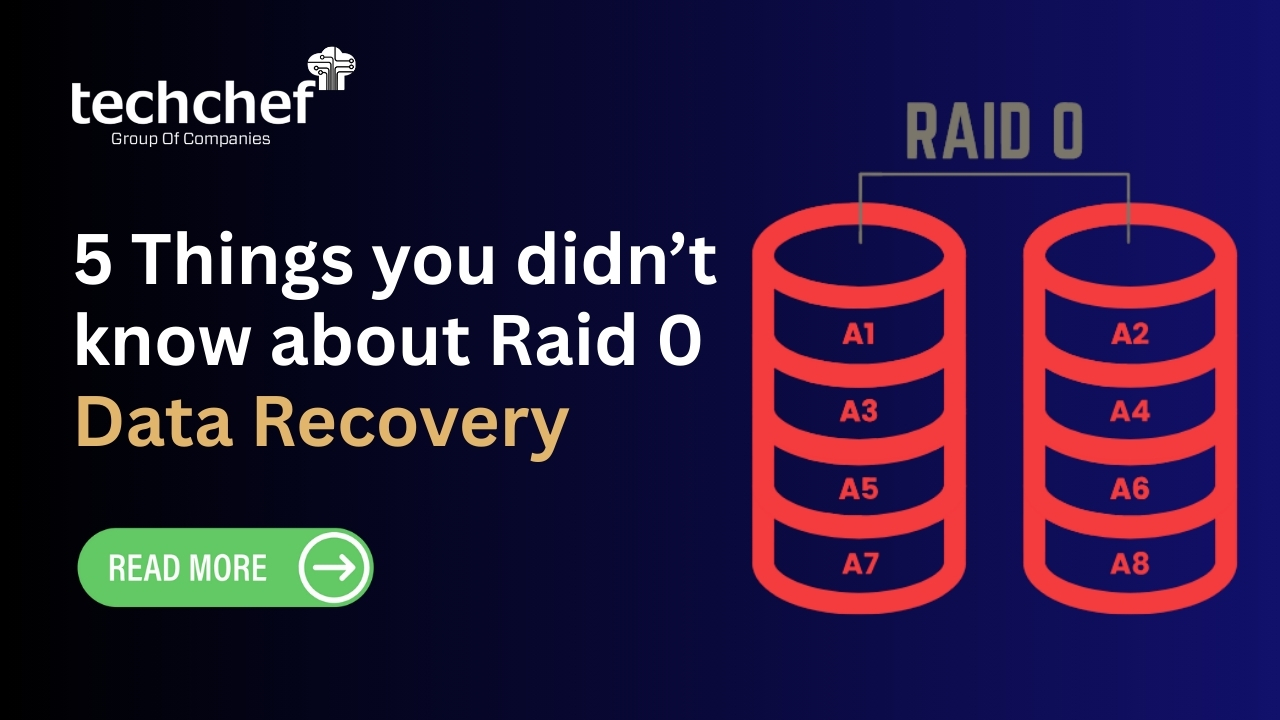
5 Things you didn’t know about Raid 0 Data Recovery
Businesses have always been reliable upon raid array systems for faster performance and large data storage. Also, with redundancy features, Raid systems are mostly preferred to prevent data loss due to disk failure.
Posted on October 5, 2021
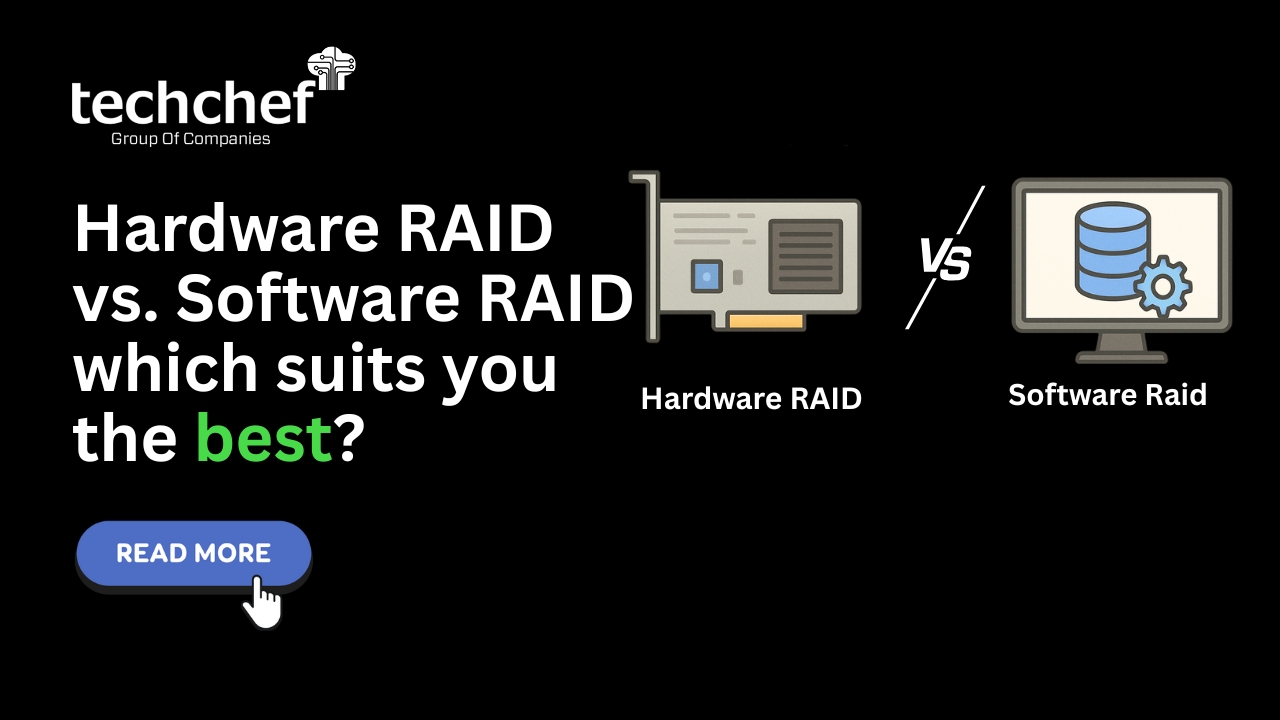
Hardware Raid vs Software Raid: which suits you the best?
Most users are leaning towards the Raid array system to set up their business’ storage. Raid redundancy always ensures that the working throughout the array is operational after the failure of a redundant disk, protecting from data loss catastrophes.
Posted on September 21, 2021
Avoid these 7 Things during Raid 5 Data Recovery
Most likely, Raid 5 is owned by businesses and individuals because of the fault tolerance feature it offers. Fault tolerance in Raid 5 gives the facility to continue using the system after it experiences failure.
Posted on September 13, 2021
Know which Raid Level best suits your Personal Data
Most businesses prefer raid as its technology makes it efficient to store data in a large volume. The raid technology is a combination of multiple disks that are connected into a single large volume.
Posted on August 9, 2021